Introduction
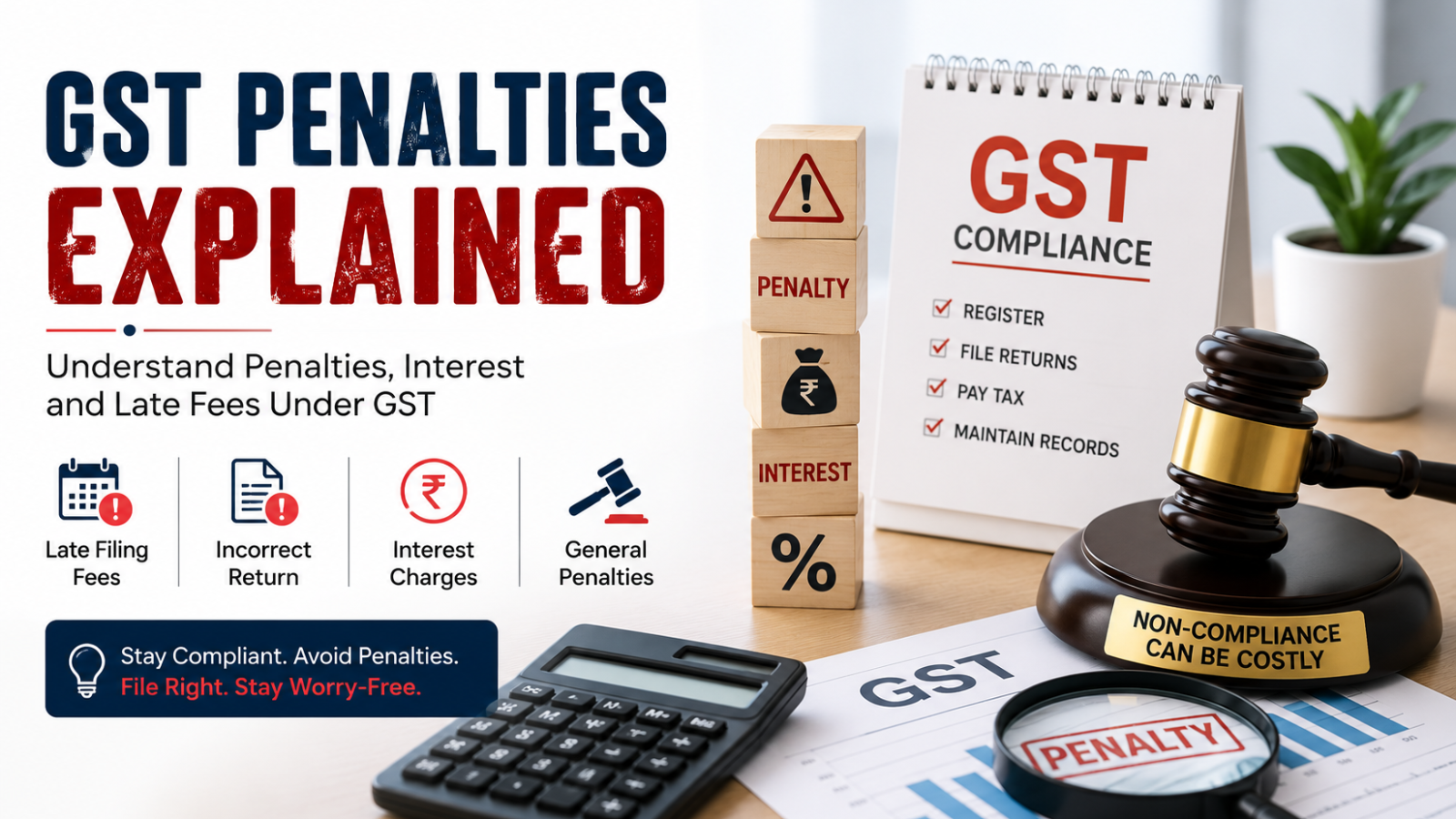
Complying with Goods and Services Tax (GST) regulations is essential for every registered business in India. Failing to meet GST obligations, such as timely registration, return filing, tax payment, or maintaining proper records, can result in penalties, interest, and legal consequences. Understanding the common GST penalties helps businesses stay compliant and avoid unnecessary financial losses.
This guide explains the major GST penalties, their causes, and how businesses can prevent them.
What Are GST Penalties?
GST penalties are charges imposed on businesses or taxpayers for violating the provisions of the GST law. These penalties may arise due to delayed return filing, late tax payments, incorrect information, non-registration, or other compliance failures. The amount of penalty depends on the nature and severity of the violation.
Common Reasons for GST Penalties
Businesses may face GST penalties for several reasons, including:
- Failure to register under GST when registration is mandatory.
- Late filing of GST returns.
- Delay in payment of GST liability.
- Issuing incorrect or incomplete tax invoices.
- Claiming ineligible Input Tax Credit (ITC).
- Providing incorrect information in GST returns.
- Failure to maintain proper books of accounts.
- Non-compliance during GST assessments or inspections.
Late Filing of GST Returns
One of the most common reasons for GST penalties is filing GST returns after the prescribed due date. Delayed filing can lead to late fees and may also affect the ability to claim or pass on Input Tax Credit. Regular monitoring of filing deadlines helps businesses avoid unnecessary charges.
Delay in GST Payment
If GST is not paid within the prescribed time, interest is generally applicable on the outstanding tax amount until payment is made. Delayed tax payments can also lead to additional compliance issues if ignored for an extended period.
Failure to Obtain GST Registration
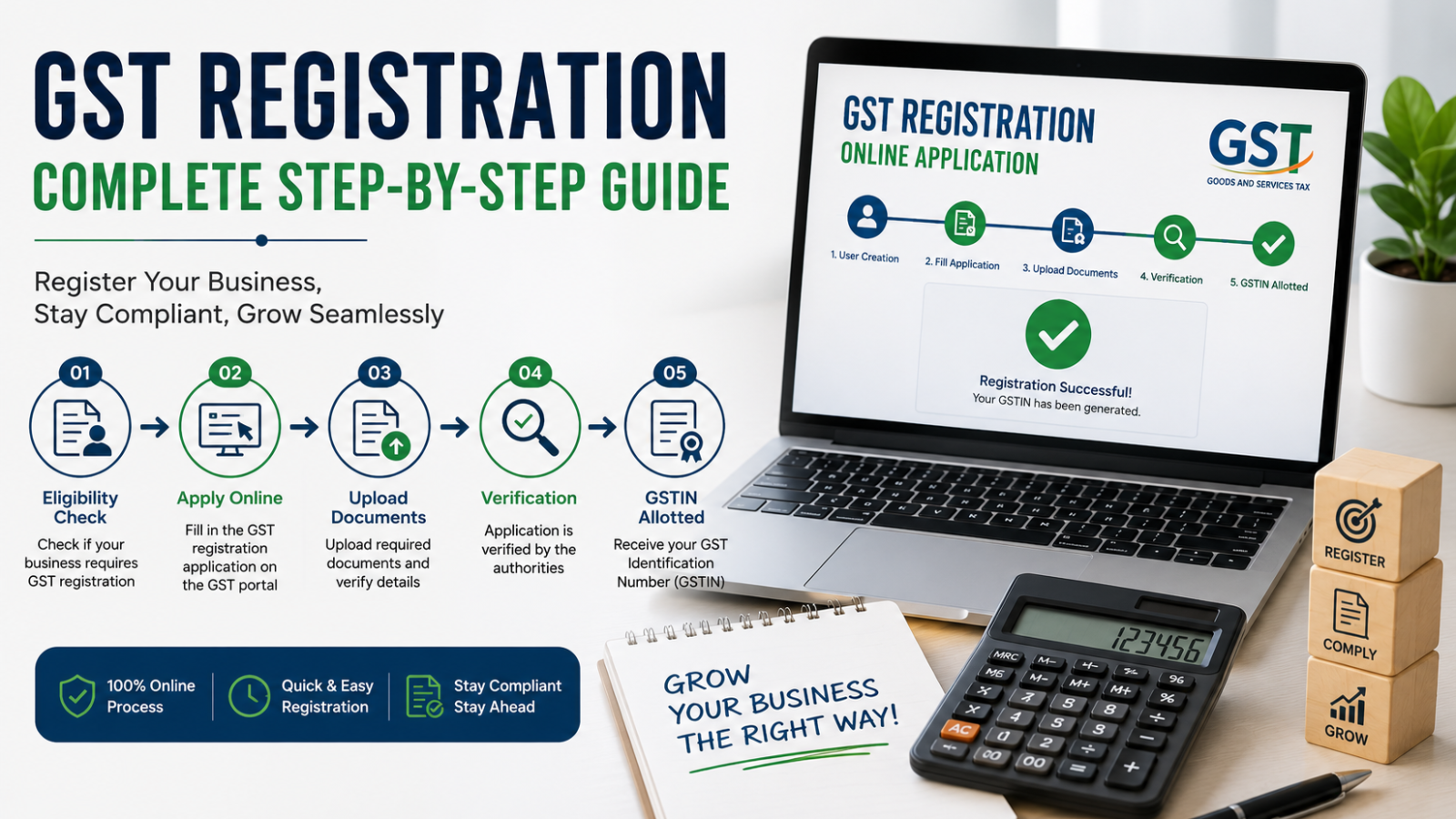
Businesses that are required to register under GST but continue operating without registration may face penalties and other legal actions. It is important to determine eligibility for GST registration and complete the registration process as soon as the business becomes liable.
Incorrect GST Returns
Submitting GST returns with incorrect turnover, tax calculations, or Input Tax Credit claims can result in notices, additional tax demands, penalties, or the need to file corrections. Businesses should always verify their financial records before filing returns.
Incorrect Claim of Input Tax Credit (ITC)
Input Tax Credit can only be claimed if all prescribed conditions are satisfied. Claiming ITC without valid tax invoices or on ineligible purchases may result in reversal of the credit along with applicable interest and penalties.
Failure to Maintain Proper Records
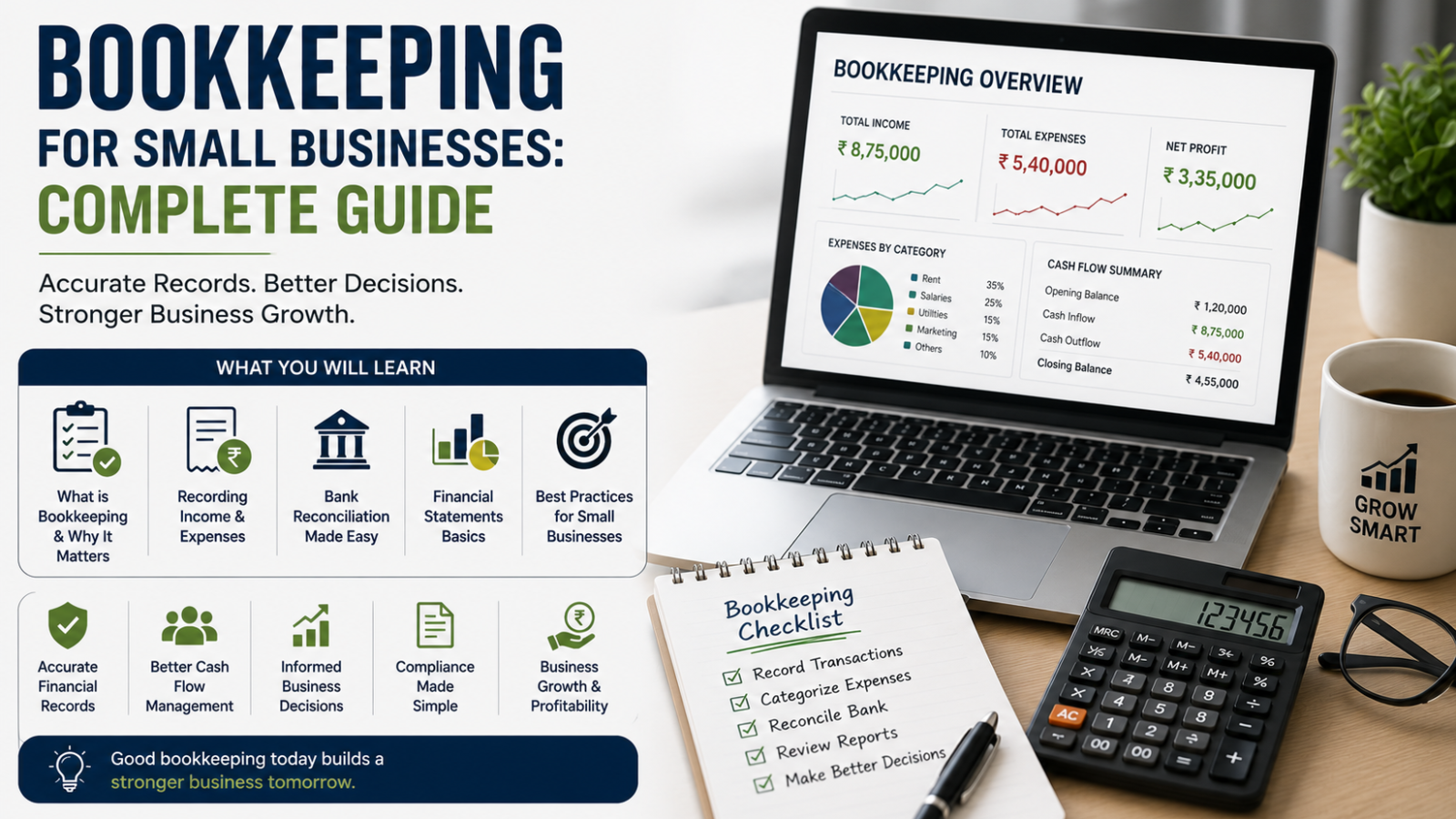
Every registered business is required to maintain proper books of accounts, invoices, purchase records, sales records, and GST-related documents. Inadequate record keeping can create difficulties during assessments or audits and may attract penalties under GST provisions.
How to Avoid GST Penalties
Businesses can significantly reduce the risk of GST penalties by following a few simple practices:
- Register under GST as soon as it becomes applicable.
- File GST returns before the due date.
- Pay GST liability on time.
- Maintain accurate books of accounts.
- Verify invoices before claiming Input Tax Credit.
- Reconcile GST records regularly.
- Keep all GST documents properly organized.
- Seek professional advice whenever required.
Importance of GST Compliance
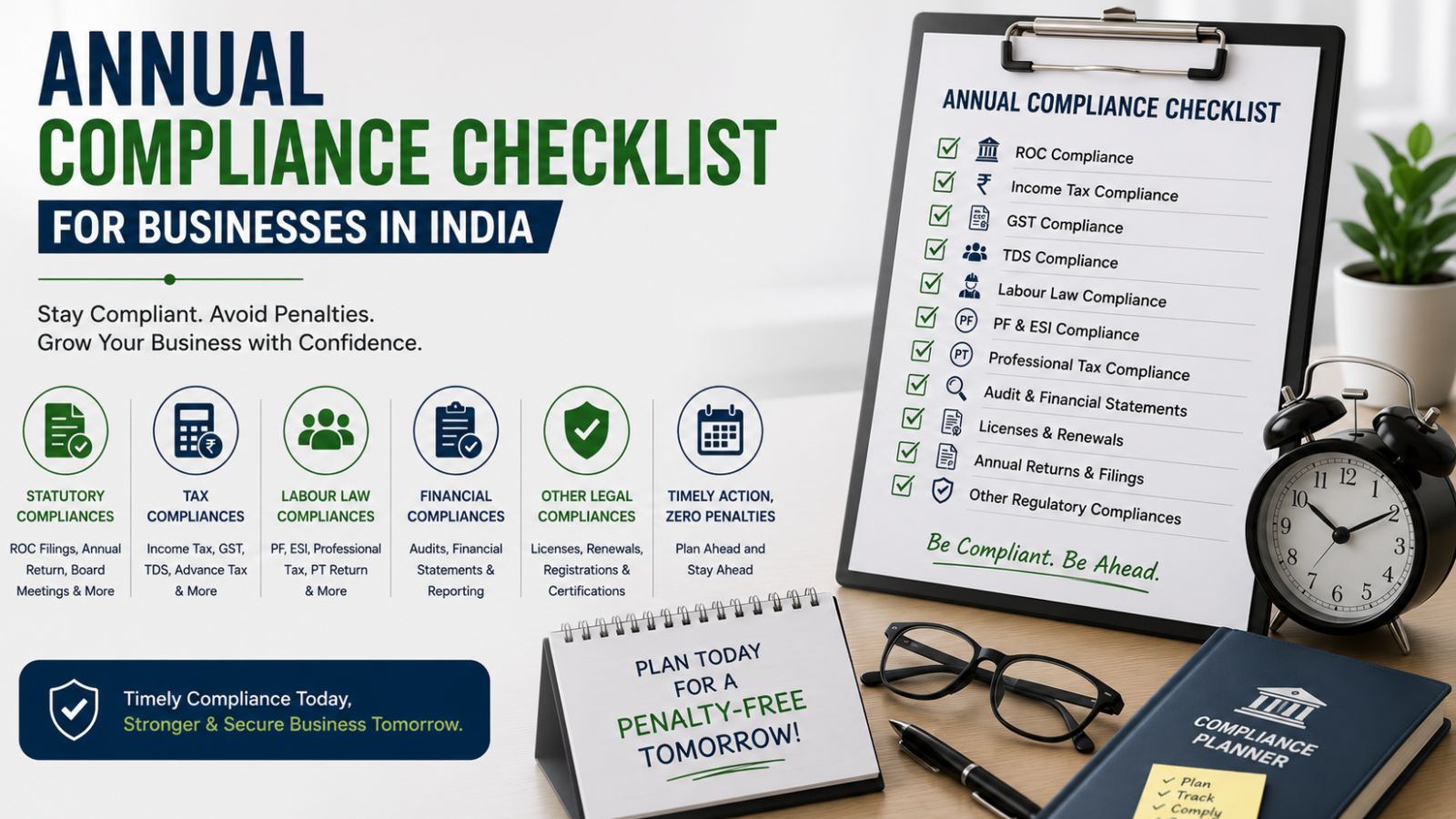
Regular GST compliance not only helps businesses avoid penalties but also improves financial transparency and credibility. Timely filing of returns, accurate tax reporting, and proper documentation create a strong compliance record and reduce the likelihood of notices from tax authorities.
Businesses with consistent compliance are also better prepared for audits, assessments, and future business expansion.
Why Professional Assistance Matters
GST regulations are updated from time to time, making compliance challenging for many businesses. A Chartered Accountant can help ensure timely return filing, accurate tax calculations, proper Input Tax Credit claims, maintenance of statutory records, and compliance with the latest GST provisions. Professional guidance minimizes errors and helps businesses avoid unnecessary penalties.
Conclusion
GST penalties can often be avoided through timely compliance and proper financial management. Filing returns on time, paying taxes within the prescribed deadlines, maintaining accurate records, and reporting correct information are essential for every registered business. By following good compliance practices and seeking professional assistance when needed, businesses can operate confidently while avoiding unnecessary financial and legal complications.