Introduction
Filing your Income Tax Return (ITR) before the due date is one of the most important tax compliance responsibilities for every taxpayer. However, due to busy schedules, incomplete documentation, or lack of awareness, many individuals and businesses fail to file their returns on time. Missing the deadline may seem like a small delay, but it can lead to financial penalties, interest on unpaid taxes, and the loss of certain tax benefits.
Understanding the consequences of late ITR filing can help taxpayers take timely action and avoid unnecessary compliance issues.
Why Filing Your ITR on Time Matters
Timely ITR filing is more than just a legal obligation. It creates a transparent financial record that is often required while applying for loans, visas, government tenders, and financial assistance. Filing on time also ensures faster processing of tax refunds and demonstrates responsible financial management.
Delaying your return not only affects your compliance status but may also increase your overall tax burden.
Financial Consequences of Late Filing
One of the immediate effects of missing the ITR deadline is the possibility of additional financial liability. Depending on the applicable provisions of the Income-tax Act, taxpayers may become liable to pay late filing fees, interest on outstanding taxes, and other charges.
If taxes remain unpaid, interest may continue to accumulate until the outstanding amount is cleared, making the overall liability significantly higher than expected.
Delay in Receiving Tax Refunds
Taxpayers who are eligible for refunds often experience delays if their returns are filed after the due date. Since refund processing begins only after successful filing and verification, late submission automatically postpones the refund process.
For businesses and individuals depending on timely refunds to manage cash flow, these delays can create unnecessary financial pressure.
Loss of Certain Tax Benefits
Late filing may also affect a taxpayer’s ability to carry forward certain eligible business or capital losses to future financial years. These losses are often useful for reducing future tax liabilities, making timely filing an important aspect of long-term tax planning.
Missing the deadline may therefore increase future tax costs.
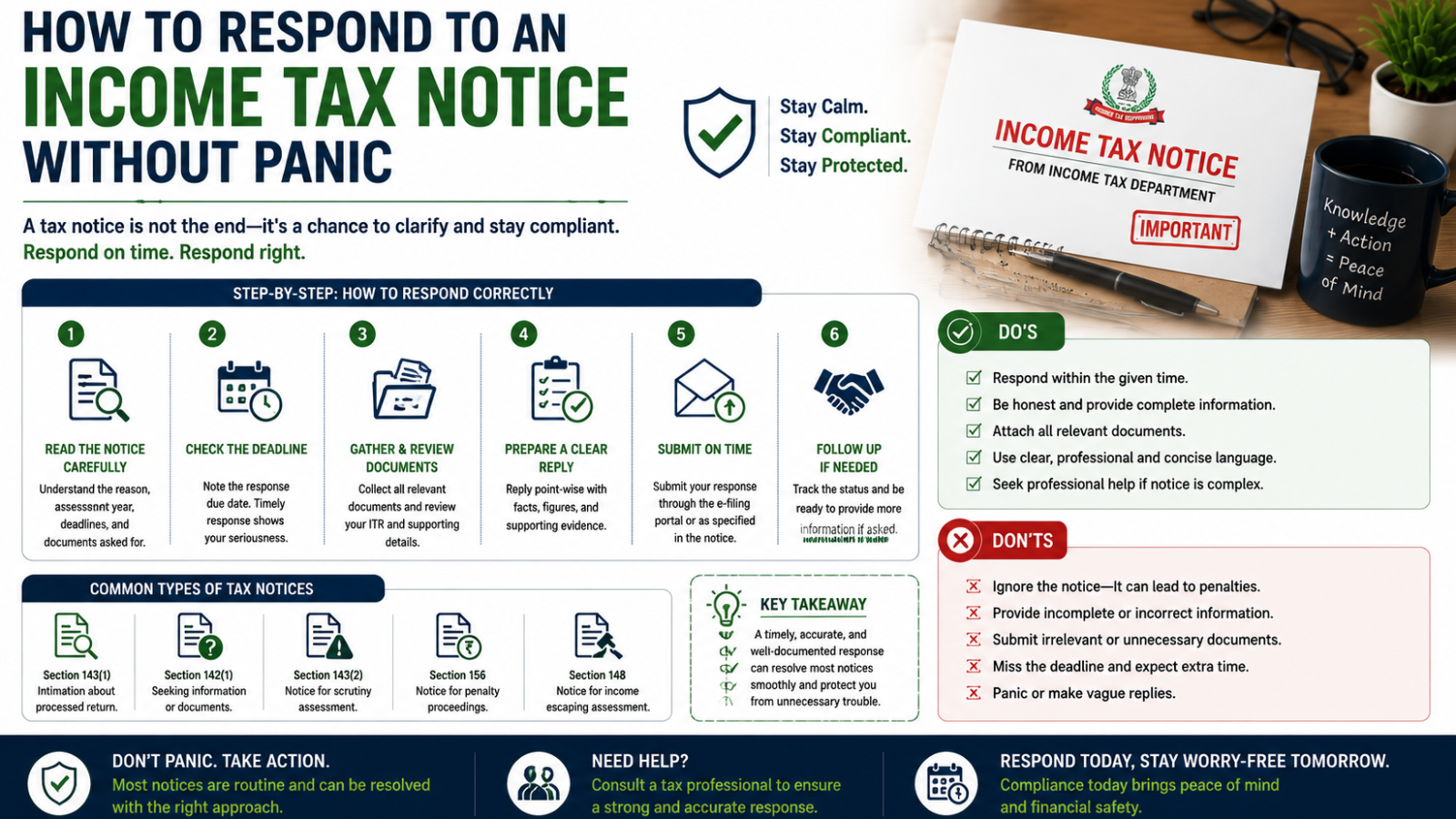
Increased Chances of Tax Notices
When Income Tax Returns are not filed within the prescribed timeline, the Income Tax Department may seek clarification regarding undisclosed income, tax deductions, or pending compliance. Although every delayed return does not result in a notice, maintaining timely compliance significantly reduces unnecessary scrutiny.
How to Minimize the Impact
If you have missed the filing deadline, the best approach is to complete the filing process as early as possible instead of delaying it further. Organize all financial documents, calculate your tax liability accurately, clear any pending tax dues, and ensure proper verification after submission.
Taking immediate corrective action helps minimize additional financial consequences.
The Importance of Professional Assistance
Late ITR filing often involves additional compliance requirements and tax calculations. Chartered Accountants help taxpayers calculate interest and penalties accurately, prepare revised tax computations where required, respond to departmental notices, and complete pending filings while ensuring compliance with the latest tax regulations.
Professional guidance helps reduce errors and provides peace of mind during the filing process.
Conclusion
Missing the ITR filing deadline does not mean the situation cannot be corrected, but delaying it further can increase financial and legal consequences. Filing your return as soon as possible, maintaining proper documentation, and seeking professional guidance where necessary can help restore compliance and minimize unnecessary costs.